Which Soleplate Is Best for Ironing? Ceramic vs Stainless Steel vs Aluminium
Stainless steel is a strong all-round choice for everyday ironing. Ceramic usually glides more smoothly, but its coating can chip on zips and rivets. Aluminium is light and heats up fast, so it suits light use and travel. The best plate depends on your fabric, the heat, the steam, and the care label. No one material wins every time.
The soleplate is the flat metal base of an iron. It touches the fabric, has the steam holes, and spreads heat across the clothes. Not sure which soleplate is best for ironing? Start with the clothes you iron most. Then think about how often you iron.
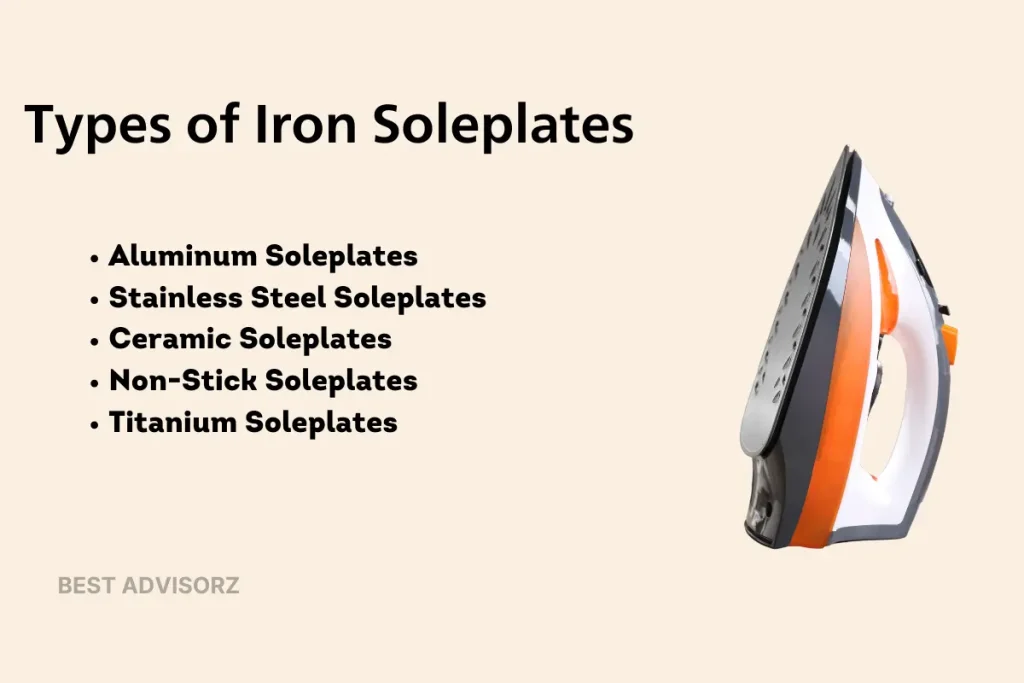
Soleplate types at a glance
| Soleplate | Glide and heat | Wear and what to watch |
|---|---|---|
| Stainless steel Bare steel plate | Glides well. Heats up more slowly than aluminium. | Lasts well with daily use. Can drag on some fabrics at high heat. Zips can mark it. |
| Ceramic Ceramic coating over a metal base | Smooth glide. Heat spreads evenly. | The coating can chip or scratch. Keep it away from zips, rivets, and metal buttons. |
| Aluminium Light metal, often with a coating | Heats up fast | Softer metal. It scratches more easily than steel. |
| Non-stick A coating over aluminium or steel | Made to stop sticking. Glided less well in older Consumer Reports tests. | The coating can wear off. Do not use rough pads or harsh cleaners. |
| Titanium Usually a coating with titanium in it, on a metal base | Brands say it is tough and glides well | Depends on the coating and the metal under it. Claims vary, so read the product details. |
Consumer Reports’ steam iron buying guide (last updated in 2017) lists stainless steel, aluminium, ceramic, and non-stick plates. It says stainless steel and ceramic plates often glide best. It also says non-stick plates did not glide as well in its tests.
Choosing a soleplate by fabric
Many things change the result. These include the fabric, the heat, the steam, a pressing cloth, the care label, and the iron itself. Use this table as a starting point, not a rule. Test on a hidden spot first.
| Fabric | What matters most | Soleplate note |
|---|---|---|
| Cotton and linen | Higher heat and steam. Press while the fabric is a little damp. | Stainless steel and ceramic plates are both common. A heavier iron can press out creases in fewer passes. |
| Silk and satin | Low heat and a pressing cloth. See how to iron satin. | A smooth, clean plate matters more than the metal. |
| Polyester and other synthetics | Low to medium heat. Too much heat can melt fibres or leave a shine. See how to iron polyester. | Keep the plate clean and smooth so it does not drag. |
| Wool | Medium heat, steam, and a pressing cloth to avoid shine. See how to iron wool. | Read what a pressing cloth is if you have not used one. |
Ceramic vs stainless steel
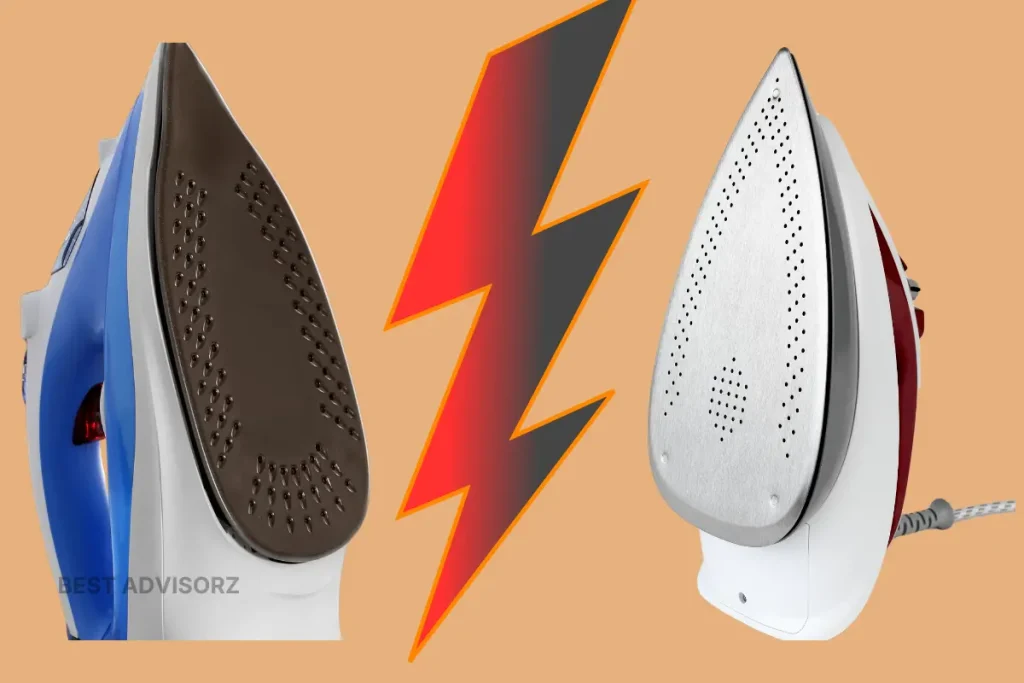
Stainless steel is good if you iron often. It can still get marks. Zips can scratch it, and some fabrics drag on it at high heat.
Many people pick ceramic for a smoother feel on shirts, blouses, and synthetic fabrics. Ceramic is a coating. It can chip or scratch on zips, rivets, and metal buttons, so iron around them.
- Pick stainless steel if you iron a few times a week, press heavy fabrics, or want a plate that is easy to look after.
- Pick ceramic if you mostly press shirts, blouses, and synthetics, and you watch out for zips and buttons.
Aluminium vs stainless steel
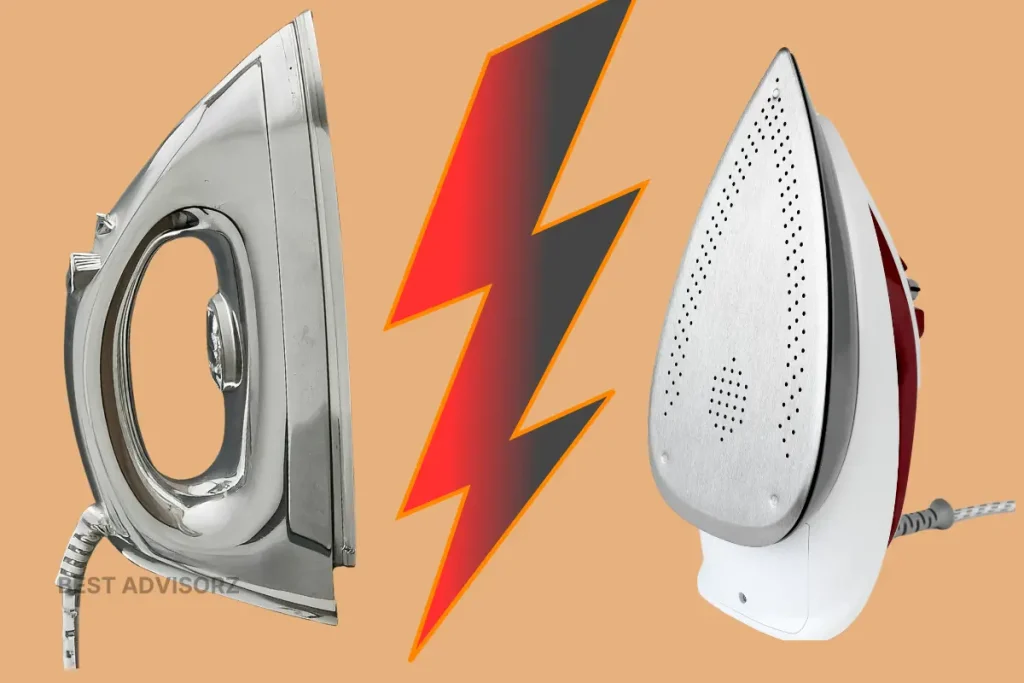
Aluminium plates heat up fast, and the plate is lighter than steel. The metal is softer, so it scratches more easily. Stainless steel heats up more slowly, but it is tougher. Aluminium suits quick jobs. Stainless steel suits regular use.
What else matters besides the metal
- Steam holes: how many there are, and where they sit, changes how well steam reaches the fabric.
- Tip shape and button groove: these help you press around buttons and seams.
- Weight: a heavier iron presses well but tires your arm over long sessions.
- Anti-drip: this helps stop water spots, mostly at low heat.
- Temperature control: a good plate cannot make up for the wrong setting.
The plate material does not set the price on its own. Steam power, size, and other features change it too. To compare whole irons, see our best steam irons guide. A firm surface under your clothes helps too, so see our ironing board guide.
Look after the soleplate
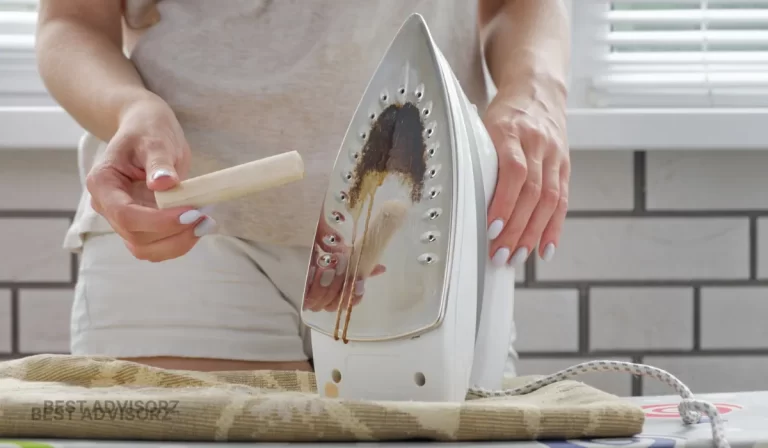
Keep the plate away from zips, rivets, and metal buttons. Wipe off starch and dirt after the iron has cooled. Do not use steel wool or scouring pads on coated plates. Read the manual before you try home cleaning tricks like salt or baking soda. You can find step-by-step help in how to clean an iron.
Common soleplate mistakes
- Using one temperature for every fabric.
- Ironing over zips, rivets, and metal buttons.
- Scrubbing a coated plate with a rough pad.
- Leaving starch on the plate.
- Skipping the pressing cloth on silk, satin, and wool.
Frequently Asked questions
How this guide was put together
This guide uses how each plate material behaves and Consumer Reports’ steam iron buying guide. This page does not include our own test results. Check your iron’s manual and the care label before you press anything delicate.